
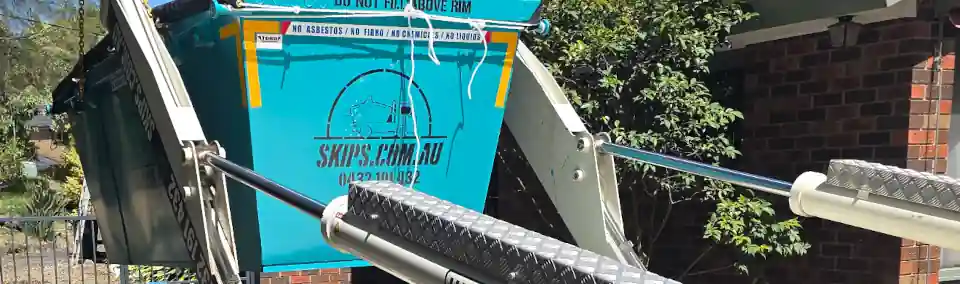
Skip Bin Hire Waste Categories
Waste Types for Knox, Yarra Ranges & Maroondah Skip Hire
To provide cost effective skip bin hire skips.com.au has waste categories or types to match the most effective ways to dispose of waste and minimise the amount of materials going to landfill and hence the amount of money spent on state government landfill levies (or taxes). Our vision to divert waste from landfills not only benefits your budget, but it also saves the environment.
Everyone’s waste differs slightly as the reason the waste was created will be different. For example, even when doing a bathroom renovation each job can be different because all our houses were built at different times using different materials in different styles. What is the same is that when you have certain materials it is best to get them recycled to avoid paying Landfill Levies to the State Government.
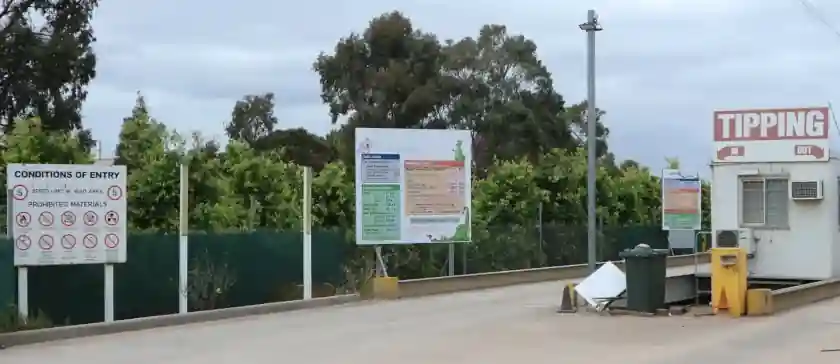
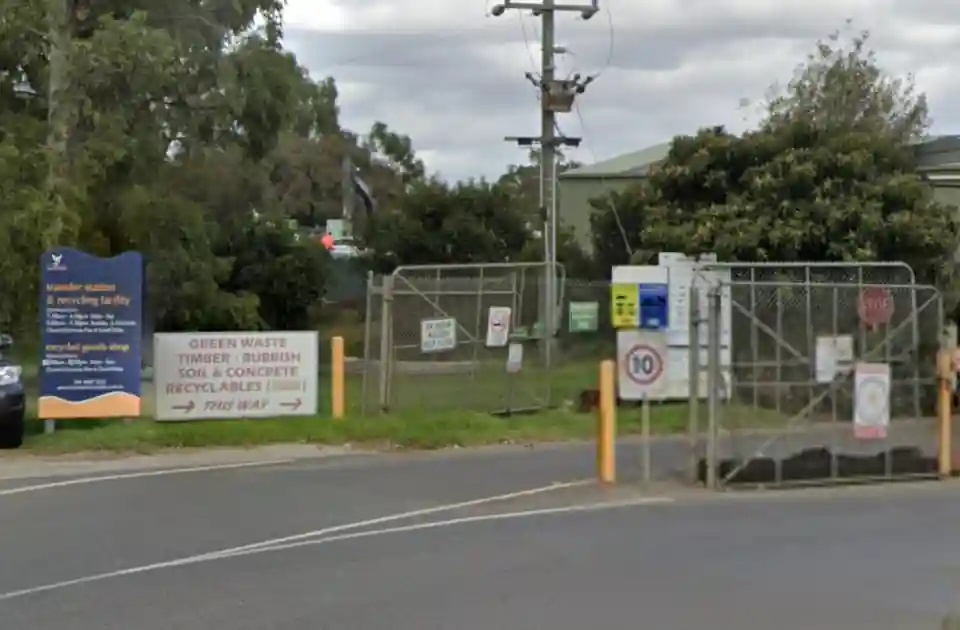
We proudly use local recycling facilities located in the suburbs near you, like Knox, Vermont South, Wantirna South, Montrose, Ringwood and Coldstream.
Here are skips.com.au’s waste categories to help you understand which sort of waste you have and what your options are.
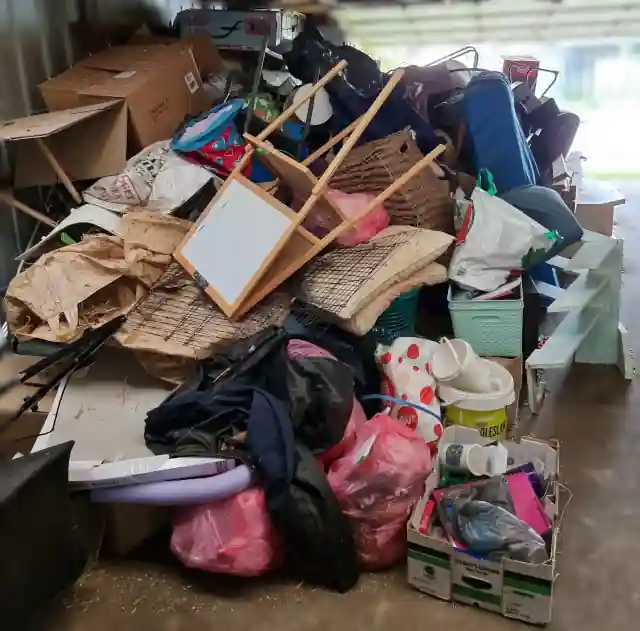
Light Household Waste
Household Waste generally includes a variety of different materials from around the house like furniture, whitegoods, electrical items, linen, clothes, packaging, paper, cardboard, plastics, metal, pots, pans, toys, bikes, garden waste like leaves, plants and small branches.
Heavy building materials like bricks, concrete, soil etc should not be placed in household skip bins because they weigh in the region of 10 times the amount of light household waste.
The price of Light House bins are set so you are only paying for a small weight of waste and a minimum amount of Victorian Landfill Levies.
When you put heavy waste in a household ship bin you will go over weight and will be charged for the extra weight of waste in the bin.
Never put hazardous or nasty materials in our skip bins.
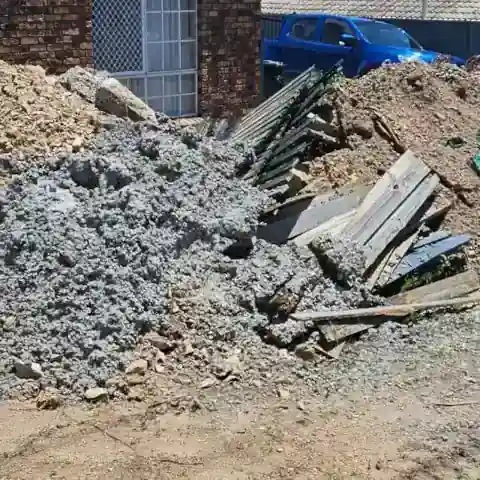
Heavy Builders Waste
Can include bricks and concrete, plus other building materials such as gyprock, building timber, chipboard, MDF, bathroom fixtures and fittings, cabinetry, mirrors, floor and wall tiles, etc.
Rubbish from bathroom renovations are treated as heavy waste as the materials usually include tiles and other ceramics like the toilet and the washbasin. Glass from shower screen is also heavy and need to be put in a builders skip bin.
Disposal of dirt and soil has become heavily restricted by the Victorian EPA and so you should check with us about including this in you bin.
It is also usually OK to put household waste in a builders’ skip but never put any hazardous or nasty materials in our skip bins (as this could result in additional charges).
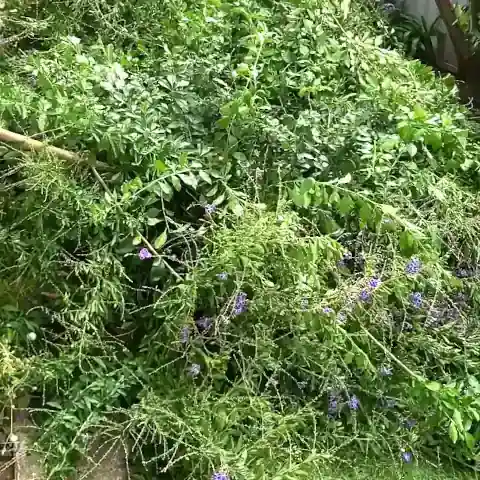
Organic Green Waste
Green waste can contain biodegradable organic materials from gardens and lawns, such as grass clippings, leaves, twigs, and small branches.
Green waste can be composted as a way of recycling this garden waste and making it into a useful material that can be reused. In this way disposal of green waste avoids incurring the Victorian Landfill Levy ad will save you money.
Green Waste needs to be kept separate from other waste so they can be composted or reused, and it should not be used for non-organic items like pots, plastic, or treated timber.
Any contamination of Green waste and it becomes General waste and is sent to Landfill and you will be responsible for the additional costs. So take care not to put any garden gnomes in with the grass cuttings.
Thank you for reading about our Waste Categories
Thank you for taking the time to read and learn about the waste categories that skips.com.au uses. If you need further clarification or want to give us feedback, please use the contact page and form.
SKIPS.COM.AU Delivers To Your Drive
Providing dependable, eco-conscious waste management with precision and personalised care.