
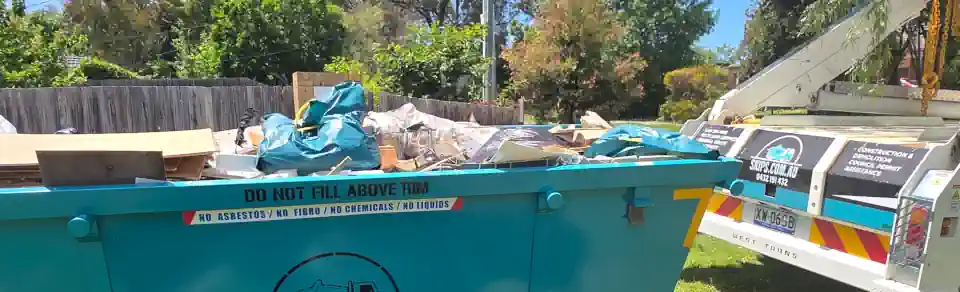
General Waste Skip Bins for Eastern Suburbs
We offer full-service skip bin hire for waste disposal from residential properties, commercial businesses, and industrial facilities in the eastern suburbs located in Knox and the surrounding local government areas.
Eastern Suburbs Waste and Recycling Skip Bins
Our team is equipped to manage a variety of waste types, from everyday household waste to complex industrial materials, ensuring everything is sorted, transported, and disposed of safely and efficiently in compliance with council and environmental regulations
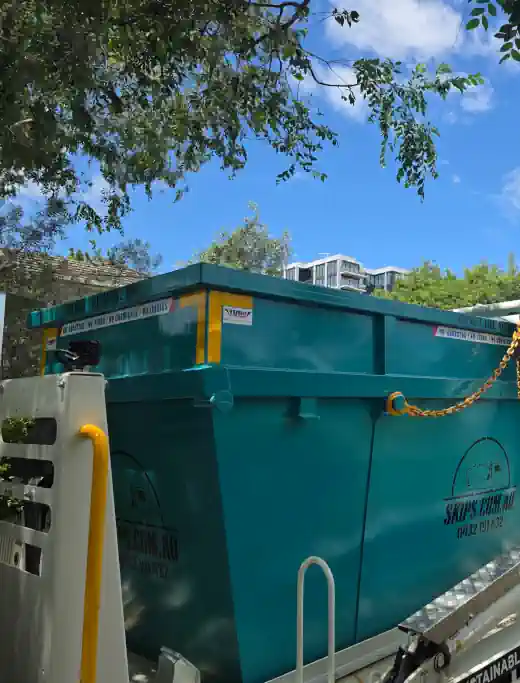
What is General Waste
General waste is simple to understand. General basically means mixed wastes. And then waste is unwanted materials you want to get rid of, away from your property. So general waste is really mixed unwanted materials that you want taken away.
Why are the two types of General Waste?
Different types of unwanted materials weigh different weights (or have different mass or density). Materials like plastic, cardboard, and furniture timber do not weigh very much. Items like whitegoods, electrical goods, wood and metal furniture, toys, and bicycles are light. Materials in green waste like grass clippings, plant cuttings, and tree branches are also light.
Materials like bricks, concrete, sand, soil, aggregates (rocks) are heavy and may be even about 10 times heavier than light wastes.
When you are looking to hiring skip bins, you will see that there are two waste types:
Heavy Waste
Heavy general waste and light general waste. The heavy general waste usually weighs about 1.5 tonnes a cubic meter (or 1,500 kgs a cubic metre).
Light Waste
Light waste is typically about 150 kg per cubic metre. 1/10 of the weight of heavy mixed materials.
What is Light Waste?
Light waste, sometimes referred to as general or mixed general waste, consists of materials that have a lower density and a lighter overall weight. These are typically materials generated from household clean-ups, light construction, or commercial activities that don’t involve significant amounts of dense, inorganic matter.
Common examples of light waste include:
- Household Items: Furniture (sofas, chairs, tables), textiles, toys, and general junk.
- Yard and Green Waste: Branches, leaves, grass clippings, and wood offcuts.
- Plastics and Packaging: Empty containers, shrink wrap, and cardboard.
- Paper and Cardboard: Documents, boxes, and other paper products.
- Light Construction Debris: Small amounts of timber, plasterboard, and insulation.
A key characteristic of light waste is that you can often fill a large skip bin to the brim without exceeding the weight limit of the bin or the transport vehicle. This makes light waste skips ideal for large volume, low-density clean-up tasks.
What is Heavy Waste?
Heavy waste, also known as mixed heavy waste, is defined by the significant density and weight of the materials. These are the kinds of materials generated from construction, demolition, landscaping, and earth-moving projects. If you were to fill a large skip bin with these materials, it would quickly become too heavy to lift safely and legally by the truck.
Common examples of heavy waste include:
- Masonry and Concrete: Bricks, concrete slabs, tiles, pavers, and rubble.
- Earth and Aggregates: Soil, dirt, clay, sand, and rock.
- Metals: Steel, iron, and other heavy metal items.
- Roofing Materials: Terracotta or concrete roof tiles.
- Asphalt and Road Base: Dense materials used in paving and driveways.
Due to the extreme weight of these materials, suppliers usually enforce size restrictions on skip bins used for heavy waste. For instance, you may find that the largest bin available for heavy waste is significantly smaller than the largest bin available for light waste. This is a non-negotiable safety and legal requirement for transportation.
Key Differences and Choosing the Right Skip
The fundamental difference lies in the material’s density and its resultant weight. Your choice of skip should be based on the predominant material you need to dispose of.
Here is a summary of the key differences:
| Feature | Light Waste | Heavy Waste |
|---|---|---|
| Typical Materials | General household items, wood, green waste, cardboard, plastics | Concrete, bricks, soil, rocks, tiles, metals |
| Density/Weight | Low density, relatively light | High density, very heavy |
| Ideal For | Household clear-outs, garden tidy-ups, general junk removal | Demolition, renovation, landscaping, foundation work |
| Skip Size Availability | Generally available in all sizes (e.g., up to 12 cubic metres) | Limited to smaller sizes (e.g., typically up to 8 cubic metres) |
Which Should You Choose?
- If your waste is mostly paper, wood, and old furniture: Choose a Light Waste skip. This will allow you to maximise the volume and hire a larger bin to get rid of all your waste in one go.
- If your waste includes any significant amount of concrete, bricks, or soil: You must choose a Heavy Waste skip. Even if you have some light waste, the presence of dense, heavy materials mandates the use of a heavy waste bin. Trying to dispose of heavy materials in a light waste skip is a common mistake that can result in extra charges, or the bin being refused for collection because it is too heavy to lift safely.
If your project generates both significant light and heavy waste, the best approach is often to consider hiring two separate skips—a smaller, dedicated skip for heavy items and a larger one for the light, voluminous materials.
No matter the scale or type of waste, our expert team delivers tailored solutions and consistent service you can rely on.
Get a personalised waste management plan that works for you. Contact Skips.com.au today to keep your space clean and compliant.
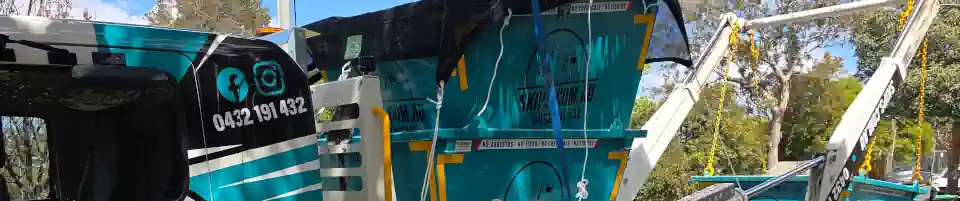
General waste skip bins are available for booking now
Get a personalised waste management plan that works for you. Contact Skips.com.au today to keep your space clean and compliant.